Stories about the systems, science and ideas hidden inside water.
The Long Pause
In January 2025 a drill on the East Antarctic plateau reached bedrock at 2,800 metres and recovered ice formed more than a million years ago. It had not sat still: it had compacted, recrystallised and moved slowly with the ice sheet. What it had not done was return to the fast water cycle.
7 min read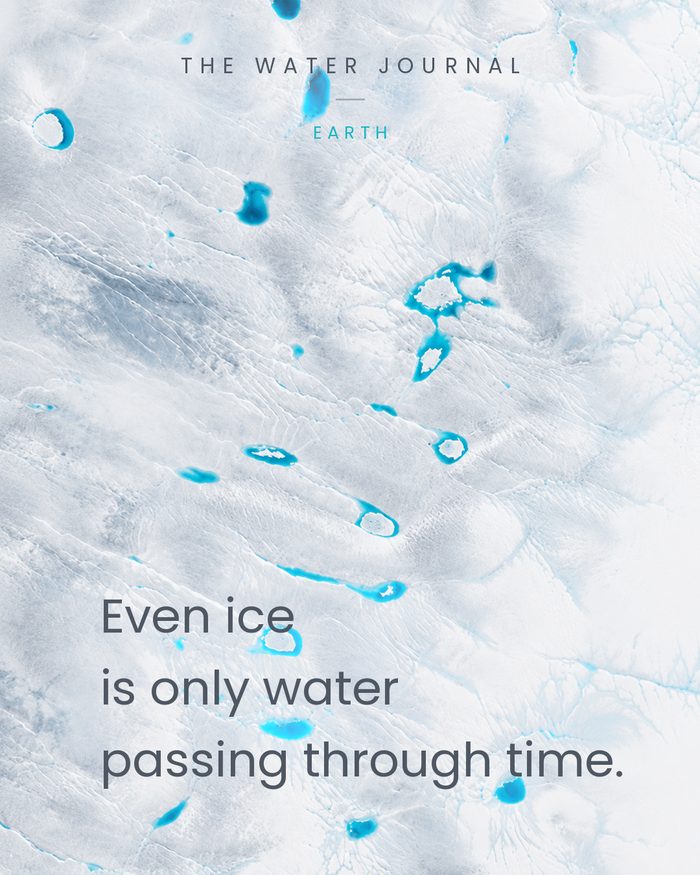
 Science · 8 min
Smooth Until Proven Otherwise
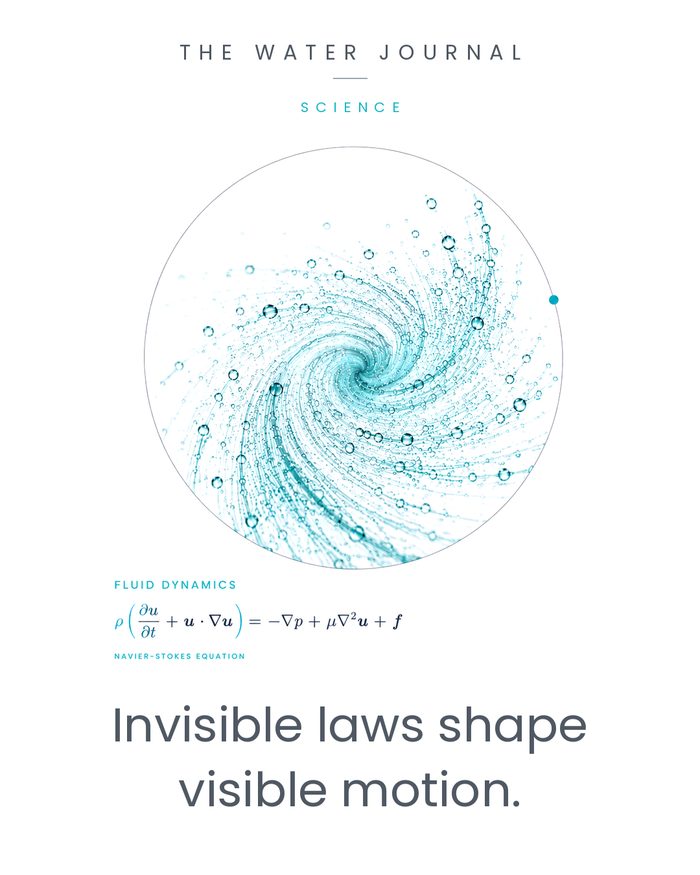
Water pouring from a tap can be modelled by equations whose viscous form emerged in 1822 and 1845. Variants of the same continuum framework underpin…
 Cities · 8 min
The Closed Loop
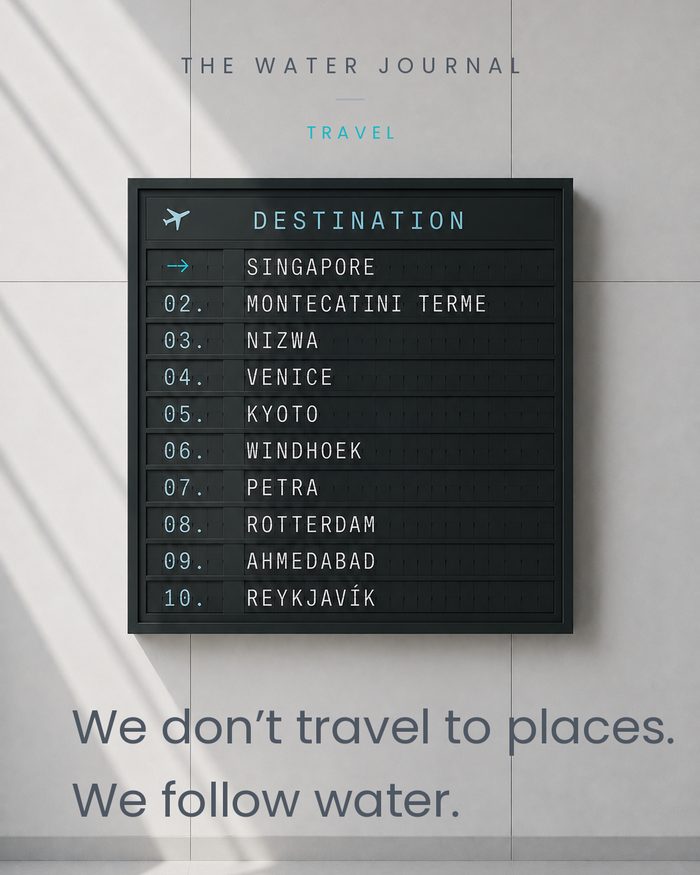
Singapore receives roughly four times London's annual rainfall and is still counted among the most water-stressed countries on Earth. The reason is…
 Human Performance
Between Two Beats
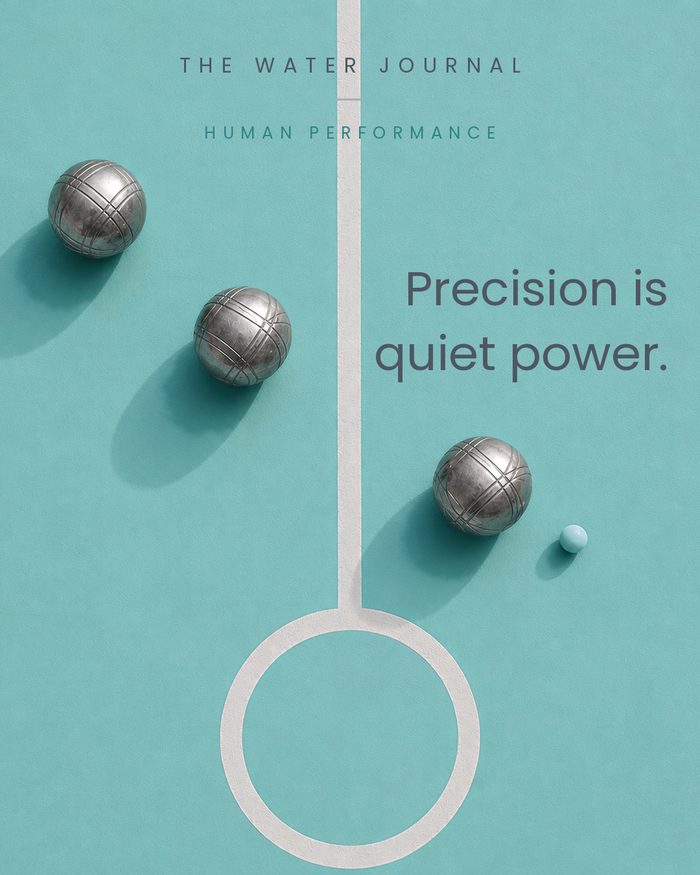
A game of boules does not look like an athletic event. It is three hours of standing in the sun, throwing a heavy ball eight metres, and walking after it. Almost nothing about it is strenuous — which is exactly why the physiology is interesting.
8 min read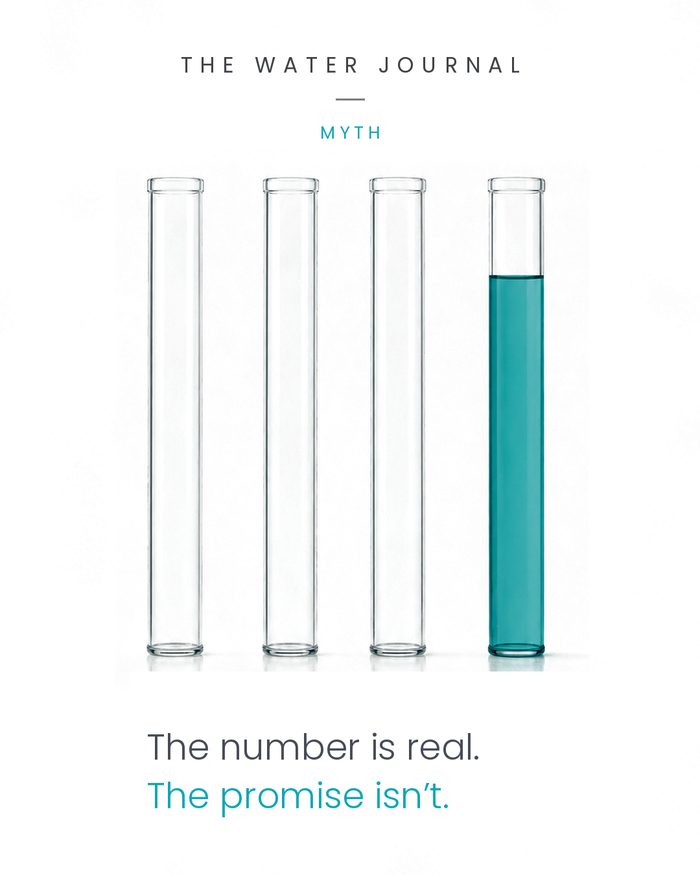 Myth
Myth
Seven Point Four
Bottled water is sold on the promise that it will shift the pH of the body. The body's pH is one of the most tightly defended numbers in human physiology. Both things are true, which is what makes this myth worth taking apart carefully.
7 min read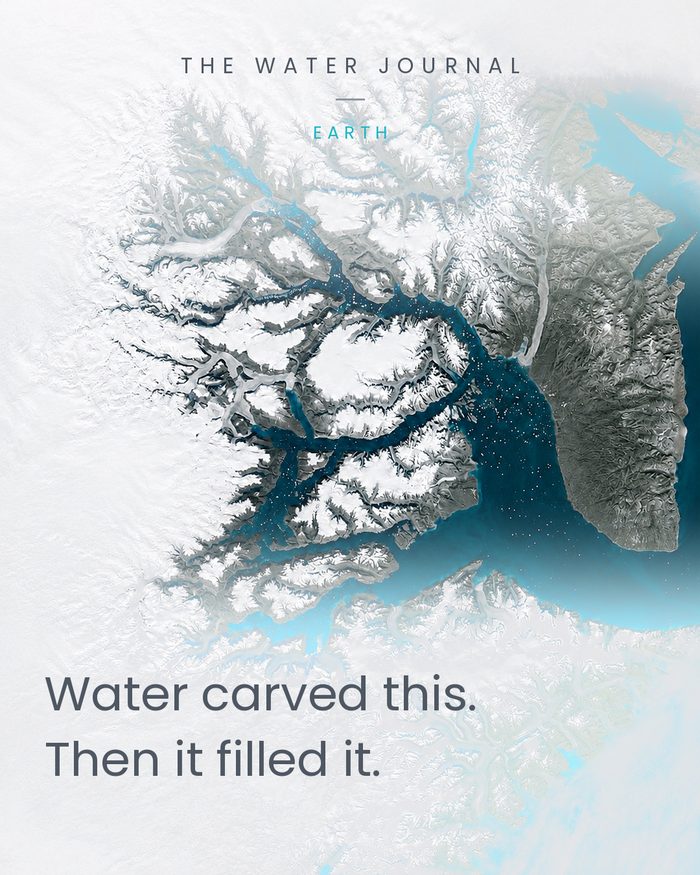 Earth
Earth
The Visible Fraction
The largest fjord system on Earth was cut by one kind of water and filled by another. One of them holds most of the planet's fresh water; the other holds almost none of it. And much of the water people actually depend on is in neither of those visible reservoirs.
5 min read Myth
Myth
Water Was an Element
For more than two thousand years water was one of the four things everything else was made from. Then, in the space of two years, it stopped being one of the fundamental things. The correction was so complete that it produced a second error, and we are still inside it.
5 min read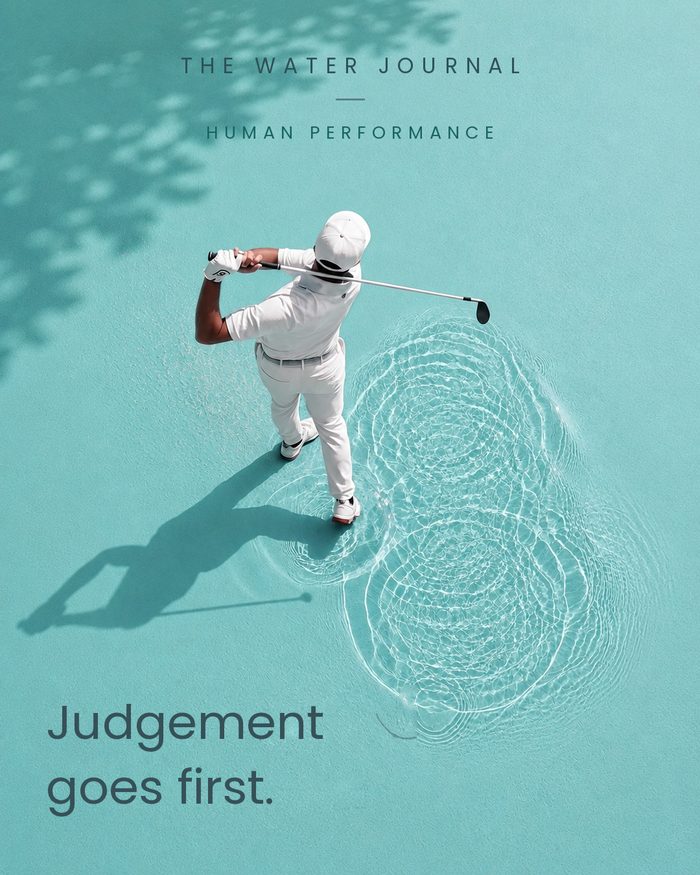 Human Performance
Judgement Goes First
Golf looks calm. It isn't. Every shot is a measurement made under pressure — and in one small controlled study, the measure that changed most proportionally was not shot distance. It was the reading of the shot.
5 min read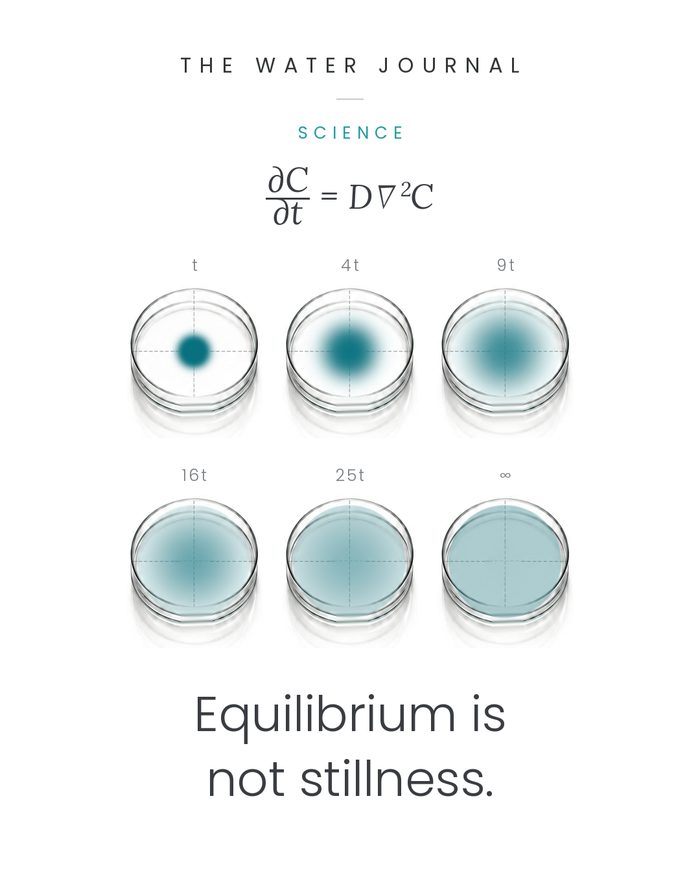 Science
The Last Step of Every Breath
Air is moved by pressure. Blood is moved by the heart. But the final micrometres into a living cell have no pump behind them — only random motion and a difference in concentration.
6 min read